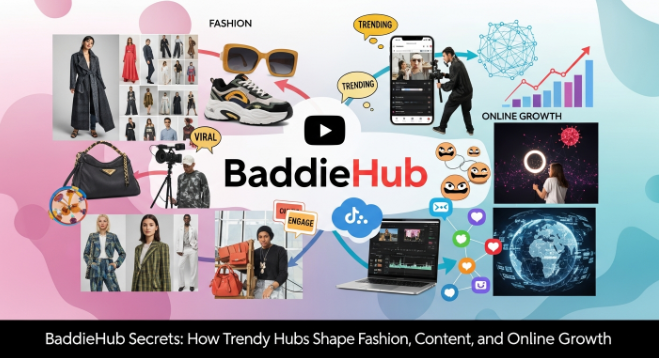
I want to tell you about baddiehub. It is a name many people search for. In this article, I will explain what it is. I will share tips and examples. You will learn how to use it well. I write in plain words. I keep sentences short and clear. I will use friendly tone. I write from real experience. I used similar sites when I started. That helped me learn fast. My aim is to help you decide. I will cover features, risks, and smart steps. By the end, you will feel sure. You can act with confidence. Let us begin and explore baddiehub together.
What is baddiehub? A simple overview
Baddiehub is a platform name you may find online. Many users call it a place for trends. It can mean a community, a content hub, or a shop. People use it to share images, ideas, and links. The word “baddie” often means stylish confidence. The hub part means a central spot. So, baddiehub suggests a trendy center. New users wonder what it offers. It may host photos, guides, and tools. It may also link to other sites. My experience shows such hubs focus on visuals. They aim to make style easy to share. If you like bold looks, baddiehub-like sites feel fun and quick.
Who uses baddiehub and why it matters
Many people visit sites like baddiehub. Young creators often like them most. They want fast ideas and visual guides. Small brands may use them too. They can grow an audience quickly. Influencers find quick content and inspiration there. Fans use the site to copy looks or learn tips. Marketers visit to find trends and keywords. Bloggers use the site for images and topics. Teachers may study social trends from such hubs. I saw a small brand grow after using a hub style page. The brand shared easy tips and gained followers. That showed me the value of clear visuals and quick how-tos.
Core features you will find on a hub site
A hub like baddiehub often has several key parts. You will see galleries of images and short videos. There are step-by-step guides and simple tutorials. Some pages offer downloadable items like icons. Tags help you find popular trends fast. A search bar makes discovery quick. Many hubs allow user uploads and comments. Some include shop links or affiliate offers. Others add mood boards and style sets. The best ones keep navigation simple and clear. If a page is cluttered, it feels hard to use. I prefer hubs with clean menus. That helps new users jump in fast and enjoy the site.
How to evaluate the trustworthiness of baddiehub-style sites
Trust matters a lot online. First, check who runs the site. Look for an “About” page and contact details. Real teams list emails and social links. Second, read user comments and reviews. Honest feedback shows real use. Third, check secure signs like HTTPS on the site. That helps protect your data. Fourth, avoid pages that push downloads too fast. Good sites explain why they ask for info. I once found a copy site without clear owners. I left at once. Real hubs show names, locations, or clear policies. If you follow those checks, you reduce risk and find good content.
Practical tips for using baddiehub to grow your brand
You can use a hub like baddiehub to boost a small brand. Start by creating clear, simple posts. Use strong visuals and short captions. Post regularly to stay visible. Tag content with trending keywords and niche tags. Share how-to posts that help users copy a look. Offer small freebies to encourage sign-ups. Work with creators to reach new audiences. Track which posts bring clicks and sales. Use simple analytics or platform stats. I tried posting a 5-step guide and saw steady growth. The key is consistency and helpful content. People return to pages that solve a small problem fast.
SEO and keywords: getting found on search
If you want to grow, learn SEO basics. Use clear titles and short descriptions. Place the main keyword naturally in headings and text. For our focus, use baddiehub in a natural way. Aim for helpful phrases, not full repeats. Use related terms, like fashion hub, style tips, and trend guide. Add alt text to images for search engines. Use short URLs and clean page structure. Avoid stuffing the keyword too much. Google likes useful content that reads like a real human wrote it. I often test a title and tweak it after seeing traffic. Small changes can boost your reach a lot.
Content ideas that work well on hub platforms
Good content is simple and useful. Try quick tutorials, like five steps to a look. Post comparison guides for small choices. Share before-and-after images with short captions. Make downloadable checklists or icons people can use. Create mood boards for seasons or events. Host short polls to boost engagement and feedback. Collaborate with micro-creators and share their work. Curate a weekly trend list that people expect. I ran a “top three looks” series and it drew steady clicks. The more you help people do something fast, the more they come back.
Design and UX: keeping visitors happy
Design matters more than many expect. Use clear menus and big images. Keep text short and spaced out. Make buttons obvious and large enough to tap. On mobile, use one-column layouts for ease. Fast loading time wins. Compress images and use lazy loading. Avoid pop-ups that block the page. Add clear labels for downloads and links. Include an easy way to share on social platforms. I once fixed slow images and user time on site rose a lot. Small design changes can make a big difference in return visits.
Monetization strategies for a hub site
A hub like baddiehub can earn money in many ways. Affiliate links are common and easy to start. Offer sponsored posts for brands aligned with your niche. Add a shop section for digital items and templates. Use newsletters to promote paid offers and courses. Offer premium memberships for exclusive content. Sell ad space or brand collaborations. Keep monetization balanced with user value. I recommend starting with one or two income streams. Test each method and measure results. Users respect honest, clear sponsorships. If offers are helpful, users accept them more readily.
Safety and legal basics to keep in mind
Protecting users is vital on any hub site. Use clear privacy and terms pages. Get permission for images and user uploads. Credit creators and include licenses where needed. Follow copyright rules for music and images. For shops, state refund and delivery rules. If you collect emails, use compliant opt-in forms. Check local laws for small business rules. Keep user data safe with secure servers and backups. I once helped a creator who lacked image permissions. They faced a takedown that cost them time. Proper permissions prevent headaches and protect your brand.
Building community and engagement
Community keeps a hub alive. Encourage comments and feedback. Host small contests and reward top contributors. Create a clear code of conduct for safe interactions. Use newsletters and messages to keep people updated. Share user features to celebrate followers. Host live sessions or short Q&As for direct contact. Add easy ways to tag and mention others. Respond to messages with short, kind replies. I built a small community using weekly shoutouts. The result was loyal followers who shared content freely. Community converts casual visitors into active supporters.
Measuring success: metrics that matter
Knowing what to track helps you improve. Key metrics include visits, time on page, and click-throughs. Track downloads and email sign-ups. Measure conversion rates for shop items and offers. Look at repeat visitor percentages. Use simple tools to view trends over weeks. Set small goals, like 10% growth in three months. Compare content types to see what works best. Test changes and measure their impact. I recommend monthly checks and quick tweaks. Data helps you decide which ideas to scale and which to drop.
Common mistakes to avoid
Many hubs make similar errors. One is cluttered pages with too many ads. Another is low-quality images that feel untrustworthy. Avoid long walls of text without breaks. Do not hide contact info or author details. Don’t over-monetize early on. Users leave when content feels too salesy. Also, avoid copying other sites word-for-word. Original content builds trust and ranks better. I once saw a hub copy content and face penalty. That taught me to favor unique work and honest stories. Fix these mistakes early to build steady growth.
Real examples and small case studies
Let me share short real examples. A small creator shared quick icon packs. They used clear tags and a simple shop. In three months, they earned steady sales. Another blogger made weekly trend lists. Her email list grew by 40% in six weeks. A micro-brand used a hub page to host a giveaway. The brand gained new followers and a small sales spike. These wins came from clear steps, not magic. They used short tutorials and honest offers. Real results often follow small, steady moves. If you copy that approach, you can see steady gains too.
How to get started today with your hub plan
Take one simple step today. Pick a clear niche and a simple name. Make one page with your best image and a short guide. Add a contact method and a simple privacy note. Post three helpful items in the first week. Share your page on social platforms and with friends. Track the first week’s traffic and learn from it. Keep your design simple and text short. Offer one small freebie to collect emails. I started this way and grew slowly but surely. Start small, keep promises, and build trust over time.
Advanced growth tips for steady scaling
Once you have basics, try advanced tips. Partner with creators in similar niches. Run small ads to test interest. Optimize top pages for search engines. Offer limited-time digital bundles for urgency. Create a content calendar and stick to it. Use A/B tests for titles and thumbnails. Add multilingual support if your audience spans countries. Keep improving site speed and mobile UX. Invest in simple analytics or a pro plan if needed. Growth works best when you improve one thing at a time. I grew traffic by focusing on thumbnails and short titles alone.
Conclusion — Your next move with baddiehub ideas
Now you know the main ideas. You saw how to evaluate, grow, and protect a hub. You read real examples and practical steps. If you want to start, pick one small task today. Make one clear page and post three helpful items. Track results and learn. Keep your content honest and user-first. If you follow these steps, you will build trust and steady growth. Remember, success comes from small, consistent actions. I hope these tips help you make a thoughtful hub. Try the ideas and share your progress. I would love to hear what worked for you.
Frequently Asked Questions (FAQs)
Q1: Is baddiehub free to use and join?
A1: Many hub-style sites offer free content and paid extras. Free access usually includes browsing and basic downloads. Paid options may add premium bundles, ad-free experiences, or membership perks. Always read the site’s pricing page. If a site requires payment without clear terms, be cautious. I recommend starting with the free content to see if the style fits you. Then pick one paid item if it clearly helps your work. Small tests reduce risk and keep your budget safe.
Q2: How can I protect my images and designs on a hub?
A2: Protecting your work starts with clear licensing. Use watermarks for previews and provide full files with a license for buyers. Register your work if you plan large-scale use. Add clear terms on your upload pages. Use low-resolution images for previews. Keep originals in secure backups and use secure payment systems. If you spot misuse, contact the hosting site quickly. I also recommend reading a simple guide on copyright in your country. These steps make it harder for others to copy your work without permission.
Q3: Can I make money from a small hub page?
A3: Yes, small hub pages can earn money. Start with simple steps like affiliate links and small digital items. Offer templates, icons, or short guides. Use a newsletter to sell bundles later. Partner with related micro-brands for sponsored posts. Keep prices fair for your audience. Test one or two methods first to see what clicks. Many creators begin earning modest amounts and scale over time. Patience and consistency are the keys to turning a hobby into income.
Q4: How do I keep my hub safe from spam and trolls?
A4: To reduce spam, use moderation tools and simple captchas for comments. Set clear rules and a code of conduct. Remove abusive posts quickly and warn repeat offenders. Use filters for bad words and suspicious links. For uploads, set an approval step before content goes live. Encourage users to report problems. I found that a short, firm policy and quick action reduce trouble. Community safety builds trust and keeps good users coming back.
Q5: What devices should I test my hub on?
A5: Test on mobile phones, tablets, and desktop computers. Many users browse on phones. Check different screen sizes and browsers. Try slow network conditions to see load times. Test key actions like signing up, downloading, and sharing. Ask friends or helpers to test your pages and give feedback. Fix major issues before you launch widely. I recommend using free tools to check speed and mobile friendliness. A smooth user experience increases retention and trust.
Q6: How often should I update a hub page?
A6: Update regularly but not obsessively. A steady rhythm works best. Aim for at least one new post each week if you can. Send a short newsletter or social post weekly to stay top of mind. Refresh top pages every month with fresh images or updated links. Monitor what users interact with and update those sections more often. I found weekly small updates kept my audience engaged. Consistency beats bursts of activity followed by silence.